All Categories
Featured
Table of Contents
Hopefully, these concerns can be quickly recognized and treated with the aforementioned suggestions, so that they no longer afflict gardeners.
Covers pesticide safety and toxicity, safeguarding bees, adjuvants, blending tables, calibration and biological control. Other areas cover a wide array of farming and nonagricultural items. Each area explains bugs, the damage they do, and suggested management.
When you're in the garden selecting homegrown fruit and vegetables and find telltale bite marks on your plants, possibilities are you have insect bugs. These 20 common garden mischief-makers target edible crops, ornamentals or both: Numerous types of this sap-sucking, winged bug exist.
They attack edible and ornamental plants, consisting of garden roses, triggering stunted growth, curling and yellowing leaves, and a honeydew accumulation that leads to black, sooty mold. Honeydew produced by aphids draws in ants So include them in your treatment plan. Read more about managing aphids. Recognized for the protective bags they produce that suspend from numerous species of trees, bagworms can defoliate trees if a problem is heavy.
Recognizing Lawn Blight Symptoms and Treatments
Read more about managing bagworms. Green, hairy cabbageworms have a creamy appearance and a row of light spots along their backs. These starved feeders eat vegetable plant leaves, producing large, irregular holes, typically along the midrib. When feeding upon cabbage, these worms bore straight into the head. Their excrement includes greenish-brown pellets.
The adult form, the imported cabbageworm butterfly, is simple to spot. It's white, with one to 4 black spots on its wings. Check out more about controlling cabbage worms. Loud pests that buzz, cicadas are typically wrongly called locusts. After they emerge from the ground and climb trees to molt, their external skins stay hanging from tree branches or drop to the ground.
Learn more about controlling cicadas. Distinct 1/2-inch-long yellow pests, Colorado potato beetles feature black, brown and yellow stripes on their wing covers. They gobble up and skeletonize the foliage on plants in the nightshade household, including potatoes, eggplant, peppers and tomatoes. Female beetles lay clusters of intense yellow-orange eggs on the undersides of the leaves.
Ravenous worms with a propensity to feed on the idea area of corn, corn earworms likewise attack tomatoes, fruits and bean pods. Mature worms are 1 1/2 inches long with numerous thorny microspines.
Protecting Your Lawns Against Emerging 2026 Threats
As grownups, these pests damage plants by feeding on leaves, soft fruits, shoots and blossoms. As larvae, they feed on roots, leaving plants susceptible to wind damage.
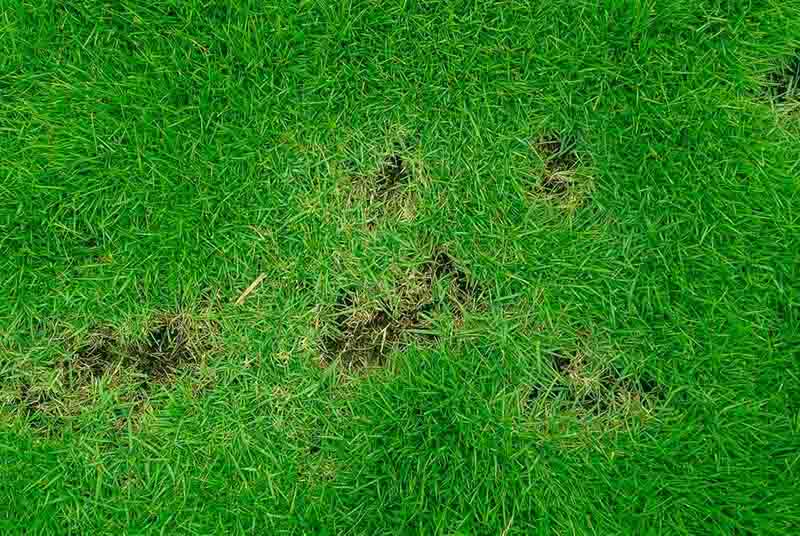
, are gray-white with brown heads. These gray bugs are so called due to the fact that they have lacelike wing covers. Lace bugs draw the sap from the undersides of fruit and ornamental tree leaves, leaving the upper sides mottled with small, light-gray spots.
Learn more about managing lace bugs. Flying or leaping when interrupted, these small, thin, wedge-shaped bugs been available in tones of green, brown and yellow, depending on the types. Leafhoppers feed upon a variety of edible and ornamental plants and trigger leaves to lose color, turn brown and end up being stippled. They likewise leave behind black excrement.
Understanding Lawn Disease Symptoms and Cures
Copper in color, Mexican bean beetles have eight black spots on each wing cover. They skeletonize the leaves of beans (their preferred hosts), as well as black-eyed peas, soybeans, cowpeas, mung beans, alfalfa and clover. The larvae are light yellow with a spiny appearance; the eggs are also yellow and discovered in clusters on leaves.
Why Weed Control Prevents Dollar Spot FailureCircular bugs, scales are found on the stems of plants and the underside of leaves, and they frequently appear like a part of the plant. The protective scale-like covering of these insects may be tough and armor-like or soft and cottony. Scales suck plant sap, creating honeydew and bring in ants, which secure the scales from predators and require treatment.
The somewhat curved, lawn-damaging larvae, also referred to as grubs, are gray-white with brown heads. Find out more about managing Japanese beetles. These gray insects are so called due to the fact that they have lacelike wing covers. Lace bugs suck the sap from the undersides of fruit and ornamental tree leaves, leaving the upper sides mottled with small, light-gray areas.
Effective Methods to Remove Lawn Weeds
Leafhoppers feed on a variety of edible and ornamental plants and trigger leaves to lose color, turn brown and become stippled. They likewise leave behind black excrement.
Copper in color, Mexican bean beetles have 8 black spots on each wing cover. They skeletonize the leaves of beans (their preferred hosts), in addition to black-eyed peas, soybeans, cowpeas, mung beans, alfalfa and clover. The larvae are light yellow with a spiny look; the eggs are also yellow and discovered in clusters on leaves.
Circular insects, scales are discovered on the stems of plants and the underside of leaves, and they frequently appear like a part of the plant. The protective scale-like covering of these bugs might be difficult and armor-like or soft and cottony. Scales draw plant sap, producing honeydew and bring in ants, which secure the scales from predators and require treatment.

Latest Posts
Should You Engage An Amsterdam Love Mentor For Your Love Life
Why You Might Need An Amsterdam Dating Consultant Today
Protecting Home Gardens Against Upcoming 2026 Diseases