All Categories
Featured
Table of Contents
Mix with water and put in a spray bottle or garden sprayer. Apply in the early morning or night considering that Bt degrades quickly in sunshine. Cover both tops and undersides of leaves.
Spotting Armyworm Issues in Residential Grass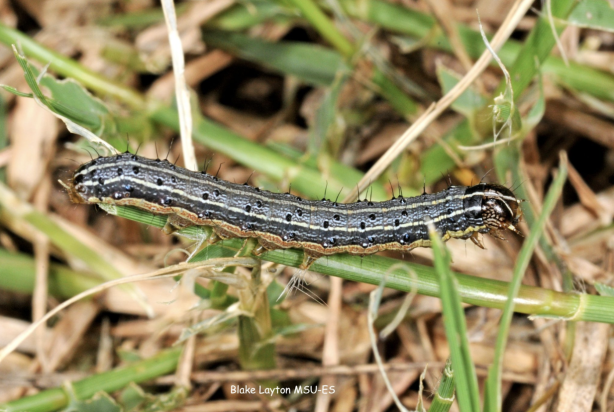
Common Bt products you can utilize consist of Dipel and Monterey Bt. Spinosad is an organic insecticide made from bacterial fermentation. Spray early in the early morning or at sunset, when the bees are not active.
A few of the most popular and easy-to-find spinosad items are Conserve, Ferti-Lome Spinosad Concentrate, and Monterey Garden Insect Spray. Chemical insecticides such as carbaryl (offered as Sevin) kill armyworms rapidly by overstimulating their nerve systems on contact or ingestion. Use carbaryl only as a last option due to the fact that, according to NPIC, it can be a little to moderately poisonous to humans and other mammals and can eliminate beneficial bugs.
Guide to Garden Insects and Turf Signs
Armyworm caterpillar on a leaf. The most obvious sign of armyworm damage is quick, widespread damage of foliage. If brown spots appear overnight, examine immediately.
Pour the mix over a 1-square-yard area. Wait up to 10 minutes. The soap forces armyworms to surface area. If armyworms appear, treat right away using the techniques in this post. If none appear, evaluate a various location at a various time of day. Before you deal with, make sure you're handling an armyworm and not a look-alike.
Misidentifying them could lead you to deal with the incorrect bug. Armyworm caterpillar on plant foliage.

Guide to Invasive Insects and Lawn Symptoms
Birds are natural predators of armyworms. Bird feeders and bird baths draw in birds that will eat armyworms before they can do much damage.
A number of precautions: Get rid of the covers from squash, cucumbers, and other insect-pollinated crops throughout blossom so bees can reach the flowers. Likewise, prevent sealing a cover over soil that might already harbor larvae, which would trap the insect inside your plants. Growing a pollinator garden with nectar- and pollen-producing plants attracts beneficial pests that provide natural pest control.
They chew through tomatoes and vegetable leaves, skeletonize foliage, and leave brown patches in grass, sometimes within just a couple of days of hatching. Ignore them, and the damage adds up quick. Caterpillars strip plants faster than they recover, and survivors lay the next generation, restarting the cycle throughout your beds and turf.
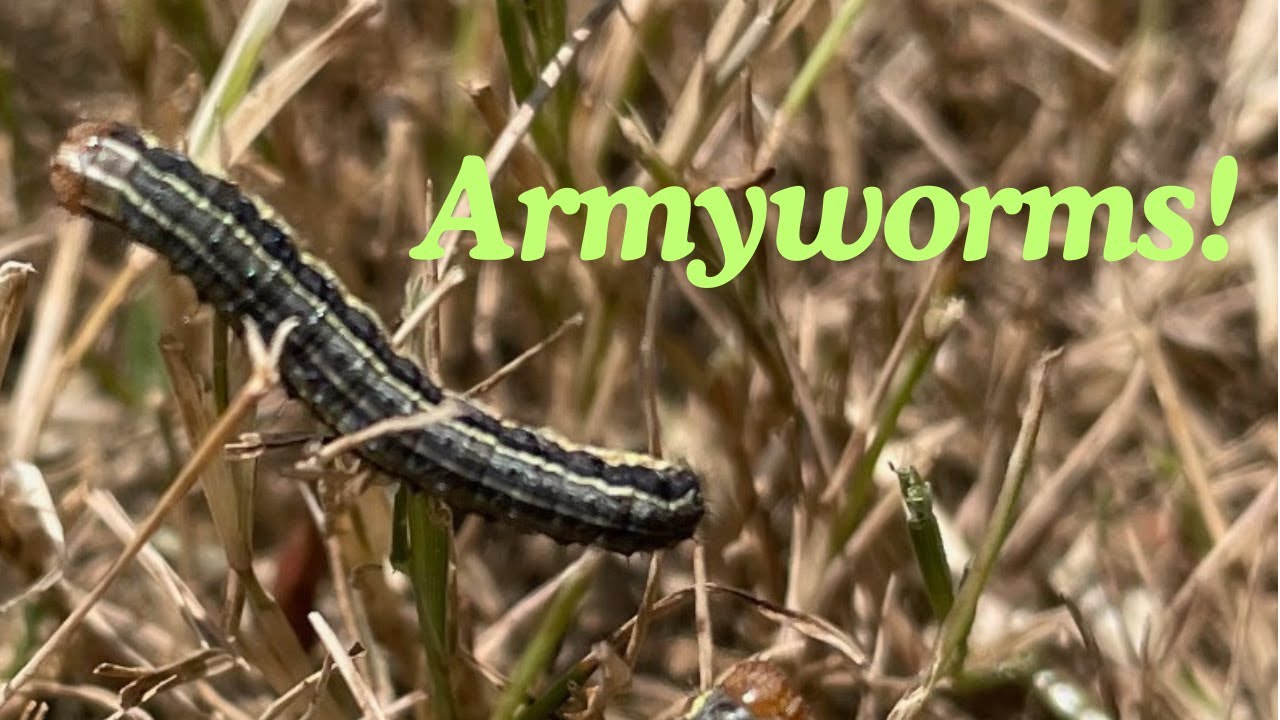
In addition, vinegar can burn your garden plants if you use too much. Yes, on direct contact.
Main Image: Fall armyworm caterpillar on a leaf in a lawn. Maria Isabela Reis is a writer with a Ph. D. in social psychology who's been composing about yard care and landscaping for over 3 years.
Curing New Lawn Pathogens in 2026
We can help! Fall armyworms can be a damaging nuisance in the late summer and early fall. Unusually enough, their invasions come in waves-some years being even worse than others. In the beginning, the small caterpillars, approximately 1-1.5 inches long, are green. In large populations (in the thousands), they "march" throughout your yard, devouring it as they move.
Armyworm damage might initially resemble dry spell stress in grass however can advance to complete loss of foliage in a matter of days when numbers are high and when the grass is left neglected. Although any broken area will recuperate, it may take weeks.

Latest Posts
Should You Engage An Amsterdam Love Mentor For Your Love Life
Why You Might Need An Amsterdam Dating Consultant Today
Protecting Home Gardens Against Upcoming 2026 Diseases