All Categories
Featured
Credit: Lane Tredway: Pyriculria grisea: fescues, kikuyugrass, ryegrasses, St. Augustinegrass: irregular blighted spots of grass with bleached areas with dark margins on leaves; ryegrass develops a fishhook look: daytime temperature levels of 8595F; high humidity or rains; overwatered and overfertilized turf: water effectively; do not overfertilize; minimize shading; increase air movement: fungicides are available, but cultural controls are more practical Fusarium patch damage to bentgrass grass.
:max_bytes(150000):strip_icc()/GettyImages-182175267-5822918c3df78c6f6a9b3c7b.jpg)
McCain: Microdochium nivale: yearly bluegrass, bluegrasses, fescues, ryegrasses, zoysiagrass: circular spots of 12 inches that can expand to 12 inches; leaves initially appear watersoaked, then reddish brown, and lastly bleached; minute, gelatinous spore masses sometimes seen on dead leaves; white or pinkish fungal threads may be seen in morning; more prevalent in Central and Northern California: regularly cool temperature levels (4065F) and damp conditions; high nitrogen applications in fall; neutral or alkaline soil pH; pathogen makes it through in lawn residues: minimize shade and enhance soil aeration and water drainage; water suitable length of time; prevent excess nitrogen, especially in fall; keep soil pH between 6.56.7.
Choosing Organic Pesticides for Home UseCredit: M. Ali Harivandi: Bipolaris spp. and Helminthosporium spp.: bermudagrass, bluegrasses, fescues, kikuyugrass, ryegrasses, zoysiagrasses: circular to extended brownish areas with brown centers and dark brown or purple borders on leaf blades, sheaths, and stems; crowns and roots often have a dark brown rot; crown-infected plants might pass away in hot, windy weather, leaving thinned locations throughout the turf; spores are windborne: warm temperature levels (7090F) for bluegrasses, ryegrasses, and fescues; cool temperature levels (6070F) for bermudagrass and zoysiagrass; high humidity; low clipped turfgrass; most serious with excess nitrogen fertilization or deficiency: lower shade; improve soil aeration and water drainage; avoid dry spots and too much nitrogen fertilizer; keep as high a cutting height as possible: fungicides available but typically not required Pythium blight (grease spot), triggered by Pythium sp., on a ryegrass and bluegrass yard.

Ali Harivandi: Pythium spp.: all lawns: little, circular spots (26 inches) that run together; blackened leaf blades quickly wither, turn reddish brown, lie flat, stick together, and appear greasy; roots might be brown; in damp conditions, masses of fungal mycelium might appear: low spots that stay wet; warm temperature levels (8095F daytime, > 68F night time); makes it through as spores in soil for extended periods: decrease shading; improve soil aeration and water drainage; water appropriate length of time; prevent trimming damp yard and using high levels of nitrogen during hot, humid weather condition: fungicides readily available but mainly avoided by cultural practices in California Patches of tall fescue turfgrass contaminated with Rhizoctonia blight.
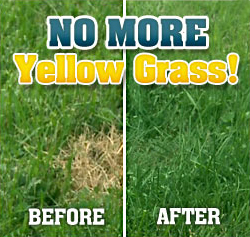
Choosing Organic Pesticides for Home UseCuring Damaged Grass Quickly
Credit: Arthur H. McCain: Rhizoctonia solani AG 2-2LP: bermudagrasses, kikuyugrass, St. Augustine turf, zoysiagrass: first looks like small, irregular brown patches or rings that can increase the size of to many feet in diameter; centers might recover leading to rings of unhealthy turf; leaves and sheaths end up being watersoaked, wilt, turn light brown, and pass away; plants pull out easily from soil with rotten stolons, in light infestations, roots usually not contaminated and plants often recuperate; soil-inhabiting fungi that forms fine, fungal threads in soil or on turfgrass: excess thatch and mat in addition to cool temperatures (6070F); damp soil conditions: reduce shading and enhance soil aeration and water drain; water proper length of time to a depth of 46 inches; avoid excess nitrogen in the fall; preserve thatch less than 1/2 inch: fungicide helpful if disease severe in past Red thread damage to turf foliage.
McCain: Laetisaria fuciformis: bentgrasses, bermudagrasses bluegrasses, fescues, ryegrasses: red thread may eliminate turfgrass in spots that are 28 inches in size, or the illness may take place over large areas without killing the plants; pink web of fungal threads bind the leaves together; look for pink, gelatinous fungal crusts projecting from the leaves to assist determine this disease: common under conditions of moderate air temperature levels (6075F) and extended periods of leaf wetness; often appears on plants deficient in nitrogen throughout durations of cool or warm temperature levels if there is sufficient moisture (e.g., excess watering or rains): appropriate irrigation and fertilization can lower the incidence; appropriate nitrogen usually can avoid this illness from happening; prevent drought stress by irrigating turfgrass based upon evapotranspiration needs of the turfgrass; provide appropriate air blood circulation; lower shading: fungicides rarely called for other than in serious cases Rust damage to bluegrass foliage.

Latest Posts
Should You Engage An Amsterdam Love Mentor For Your Love Life
Why You Might Need An Amsterdam Dating Consultant Today
Protecting Home Gardens Against Upcoming 2026 Diseases