All Categories
Featured
Table of Contents
Mix up a container of soapy water with 3 tablespoons of dish soap in a gallon of water. Pour the mixture over a 3-foot square area in question. The soapy mixture will irritate their skin and any armyworms provide will wriggle to the surface. Keep watch for armyworm activity in the late summer or early fall, when they are most active.
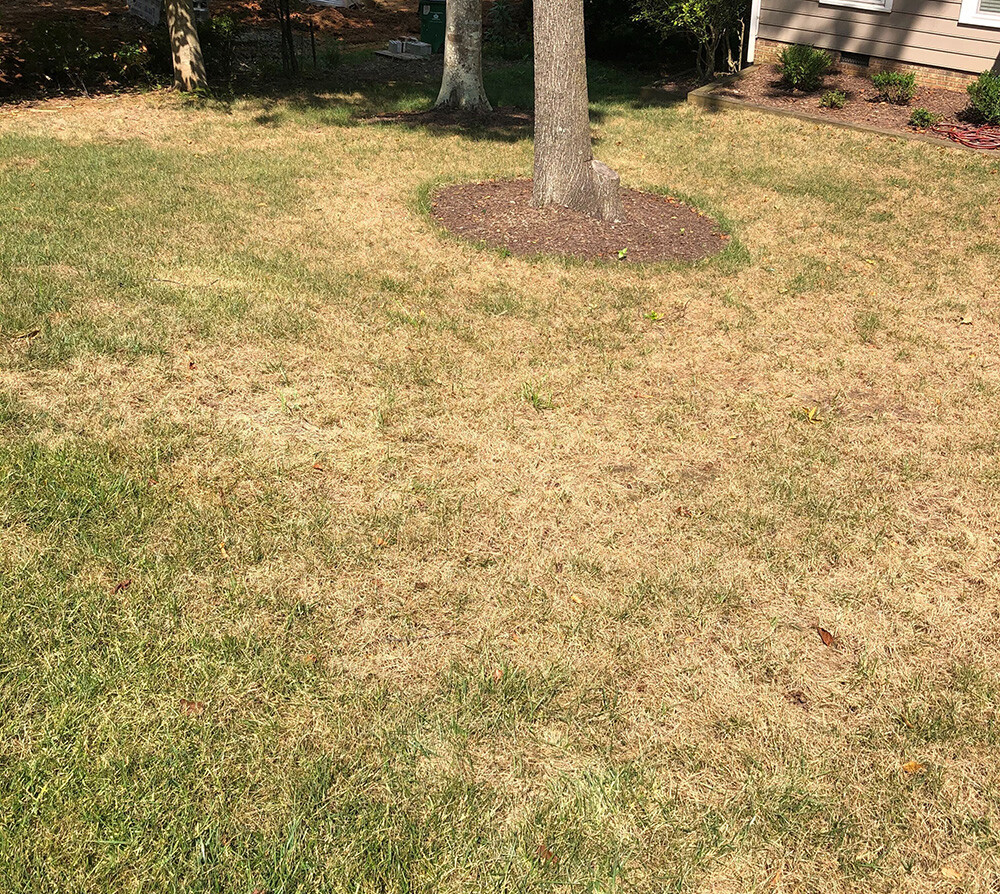
If you see similar damage throughout winter, it's likely that it is caused by a different bug. Fall army worms favor lawns like fescue, rye, bermuda, and bluegrass, however they might move on to other plants if presented with the alternative. Armyworms prefer rich, actively growing, well-fertilized turfs for feeding.
Army worms are most typical in the southeastern United States, but the adult moths are in some cases reached the Midwestern and Eastern states by weather condition patterns. Fall army worm sightings have ended up being more common in more areas of the U.S. recently. If you believe you might have found indications of army worms, we advise using the methods explained here to confirm before comprehensive damage can happen.
Proven Ways to Eliminate Common Garden Weeds
Key Takeaways Armyworms are caterpillars that feed in big groups and can strip a garden or yard bare within days, so early detection is essential. Natural treatments like neem oil and Bacillus thuringiensis (Bt) are effective for light problems, while chemical insecticides are most efficient for serious break outs. Dealing with in the late afternoon targets armyworms when they are most active, enhancing the effectiveness of any treatment technique.
If you have actually found holes in your tomatoes, chewed-up leaves, or brown patches in your grass, you need to act quickly. Treat throughout their larval phase: Hand-pick little infestations of armyworms into soapy water, spray neem oil or Bacillus thuringiensis (Bt) for moderate ones, and save insecticides for extreme cases. This guide covers how to eliminate armyworms, recognize the damage they trigger, and prevent them from returning.
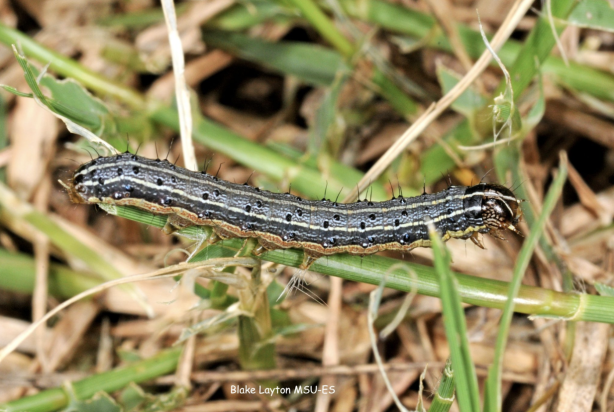
Fall armyworm caterpillar. Armyworms are caterpillars (the larval stage of numerous moth species) that feed in big groups and can damage a lawn or garden in days.
Future Trends in Turf Health for 2026
Beet Cabbage Corn Tomato Sugary food potato Egg2-3 daysLaid in clusters on leavesLarva (caterpillar)14-30 daysActive feeding causes all damagePupa8-30 daysUnderground, no feedingAdult moth7-21 daysLays eggs, cycle repeats Pupae and adult moths are not impacted by the majority of treatments. Caterpillars consume approximately 80%-90% of their overall food consumption in the final 2-3 days of this stage, according to Oklahoma State University.
For big or spreading out invasions, chemical insecticides are the fastest service, however must be a last resort. Hand-picking into soapy waterSmall infestationsNeem oilEarly-stage infestationsBeneficial insectsPrevention and control; eggs and young larvae in spring or fall, when armyworms are inBeneficial nematodesSoil-dwelling larvaeBt (Bacillus thuringiensis)Active feeding larvaeSpinosadOrganic gardensChemical insecticidesSevere infestations Treating in the late afternoon targets armyworms when they are most active, enhancing the effectiveness of any treatment approach.
Here's how: Discover the armyworms Look for spots where leaves have actually been chewed and check beneath them. Search for cottony egg masses on the undersides of leaves. Get the armyworms. Utilize your hands for caterpillars and a wet paper towel for eggs. They do not bite, sting, or send diseases.
Utilize a teaspoonful of soap per gallon of water. Neem Oil. It contains azadirachtin, which disrupts insect hormonal agents and avoids armyworms from completing their larval cycle.
Guide to Garden Pests and Turf Signs
It generally won't hurt helpful bugs like honey bees or ladybugs when used during late night or morning. Mix 2 tablespoons of neem oil with a gallon of water in your garden sprayer and shake well. Spray your garden, making sure you reach the undersides of the leaves. Repeat every few weeks up until there are no armyworms left.
These small green pests target armyworm eggs. They feed on aphids, termites, and armyworm eggs. Trichogramma wasps lay eggs inside armyworm eggs, killing them from within.

Latest Posts
Should You Engage An Amsterdam Love Mentor For Your Love Life
Why You Might Need An Amsterdam Dating Consultant Today
Protecting Home Gardens Against Upcoming 2026 Diseases