All Categories
Featured
Pesticides are utilized to manage bugs around the home, weeds in the yard, bacteria in the bathroom and rodents in the garage. Family pet owners might also use pesticide products straight to animals to control fleas and ticks. While numerous pesticide products might be useful, poor preparation or inappropriate use of pesticides can hurt family pets.
Your animal's danger of establishing a health issue depends on how much pesticide your pet is exposed to and the toxicity of the pesticide to that specific type of animal. Family pet owners can minimize the chance of their pet having an issue by following label directions, picking lower toxicity pesticides, and decreasing the quantity of direct exposure their family pet needs to the pesticide throughout and after the application.
Eliminate family pet toys, bedding, food and water bowls from the area. Keep family pets away from dealt with areas for the amount of time specified on the pesticide label or up until any sprayed pesticides have dried totally, whichever is longer. Finally, make sure all pesticides are safely kept in locations where animals can not access them.
If you use foggers (bug bombs), always get rid of all animals from your house. Cover aquarium to avoid liquid vapors or cleans from going into the tank. Considering that foggers develop a great aerosol mist, the pesticides might move through all of the air in the home, consisting of the tank pumps and fish tank.
Spotting Destructive Larvae in Home TurfIf any rodent or insect baits are utilized in your house, ensure they are in protected bait stations or in places not available to pets. Baits are made with active ingredients lots of family pets discover appetizing. In addition to the general preventative measures gone over above, making sure the area is well aerated throughout the drying process will help to reduce your family pet's exposure when it returns.
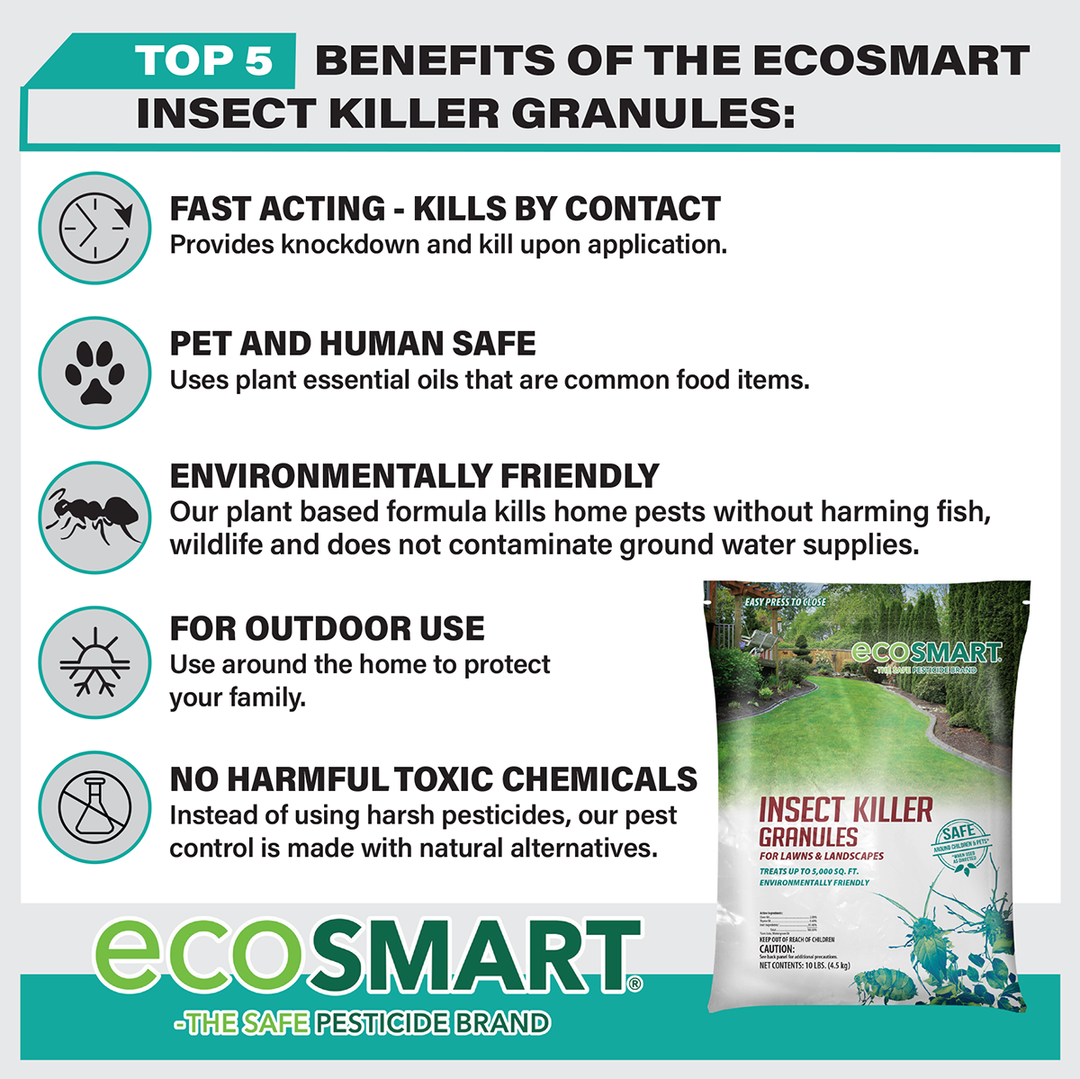
Pet-Safe Treatments for Modern Pets
Get rid of family pets, their toys and their food and water from the location to be dealt with. To lessen your animals exposure to the pesticide and to prevent residues from being tracked into homes, keep family pets out of treated locations until the pesticide has actually dried entirely. Granular products might have particular instructions for watering the granules into the soil after they are applied.
Given that granular items need time for watering and time for the granules to dissolve, these items might require keeping the pets out of dealt with locations for 24 hours or longer. Examine the label directions or call NPIC to determine the length of time to keep animals out of dealt with areas. As soon as the pesticides have actually dried, poisonous residues can stay on the cured surfaces, so consider taking safety measures to prevent your animal from licking, chewing or eating any plants or other products treated with pesticides even after they have actually dried.
Pets are attracted to the food ingredients in these products and animals have been known to consume them after they have actually been applied, dig them up when positioned underground and chew stored item containers to consume the product. Use care when using pesticides directly to animals. Follow the label instructions thoroughly, and be sure to utilize the appropriate amount of item for the animal being treated.
Never ever use more than the instructions state as this can toxin your animal. Products created for adult cats or pet dogs ought to never be utilized on kitties or puppies unless the label specifies that the product might be used on more youthful animals.
Finding Safe Pest Controls for Garden Use
Prevent petting and keep children away from dealt with animals till the item has dried. Make sure you follow the safety measures on the label for protecting yourself while applying pesticides to family pets. Pets are susceptible to shaking, leaping and other habits that can cause unwanted pesticide exposures. If you require advice on which product(s) to utilize on your family pet, you might think about contacting a vet for details.
Pet Poisoning: Sometimes even careful usage of a pesticide can cause damage to a sensitive, ill, or hurt animal. If you think your family pet has been exposed to a pesticide and you require assistance, call your vet or NPIC (800-858-7378). If your pet is having trouble breathing, is bleeding, having tremblings, seizures, convulsions, or is unconscious, contact a veterinarian or animal poison control center right away.

A consultation fee might use. As the firm accountable for regulating pesticide products, the U.S. Epa (U.S. EPA) gathers info about pesticide-related disease in human beings and animals. Accurate information helps them figure out whether extra guidelines are needed. If you believe that a pesticide made your family pet sick, report the occurrence to the National Pesticide Details Center (NPIC), which runs under a cooperative arrangement with EPA.

Latest Posts
Should You Engage An Amsterdam Love Mentor For Your Love Life
Why You Might Need An Amsterdam Dating Consultant Today
Protecting Home Gardens Against Upcoming 2026 Diseases