All Categories
Featured
How you feed, mow and water your lawn can assist it withstand fungal illness like dollar spot and brown area.
Yard damage can be tough to determine and is not constantly triggered by an illness. Fungi cause almost all yard diseases. Avoid lawn illness by preserving healthy turfgrass. Know how to correctly irrigate, fertilize, and trim your particular turfgrass to prevent illness. Preserving a healthy, vigorously growing yard is the best way to avoid a serious disease break out in turfgrass.
If any of these elements are missing or in excess, the turf might end up being stressed out and more vulnerable to disease. For an illness to occur, all 3 sides of the "illness triangle" should exist (Fig. 1). Even if a disease-causing pathogen exists, infection won't take place unless the environment (i.e., temperature, amount of water, and so on) contributes to illness development and vulnerable lawn is available.
Treating Fungal Lawn Fast
The disease triangle. All elements should be present for illness to happen. Credit: UC IPM Many common illness are active just under particular ecological conditions and will impact the lawn only for a short time. When the weather becomes more beneficial to growth of the turfgrass, the yard will frequently recuperate by itself if appropriate cultural practices are followed.
Although we can't control the weather condition, choosing the ideal yard and excellent cultural practices are secrets to minimizing disease. Fungicides are rarely needed for lawns when the ideal turf is planted and kept properly. The cause of yard damage is often tough to recognize, and diseases aren't constantly the main cause.
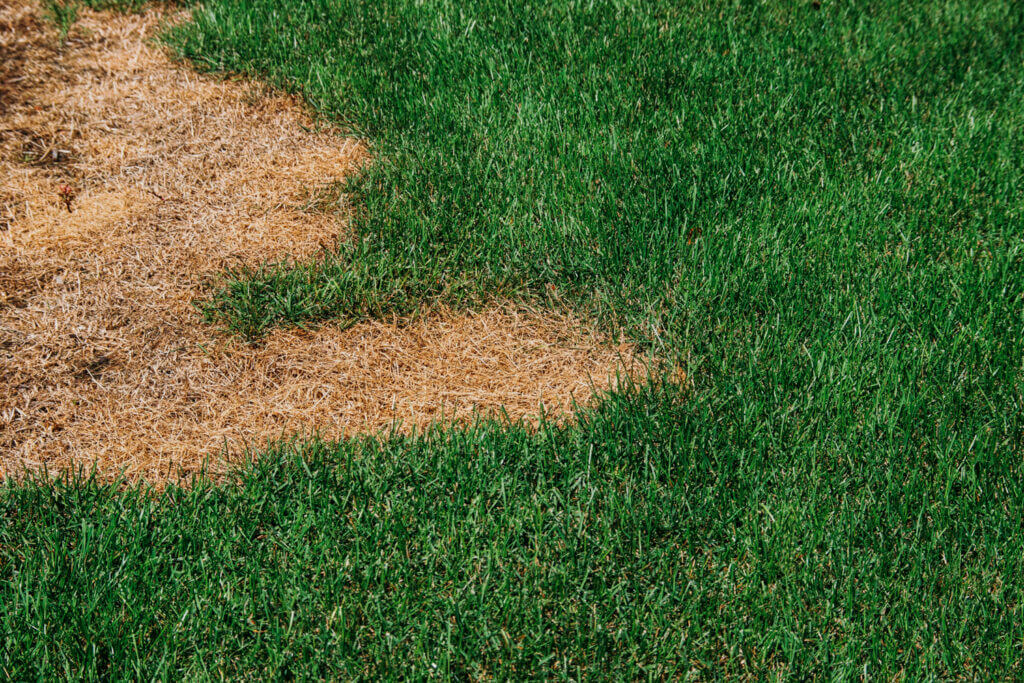
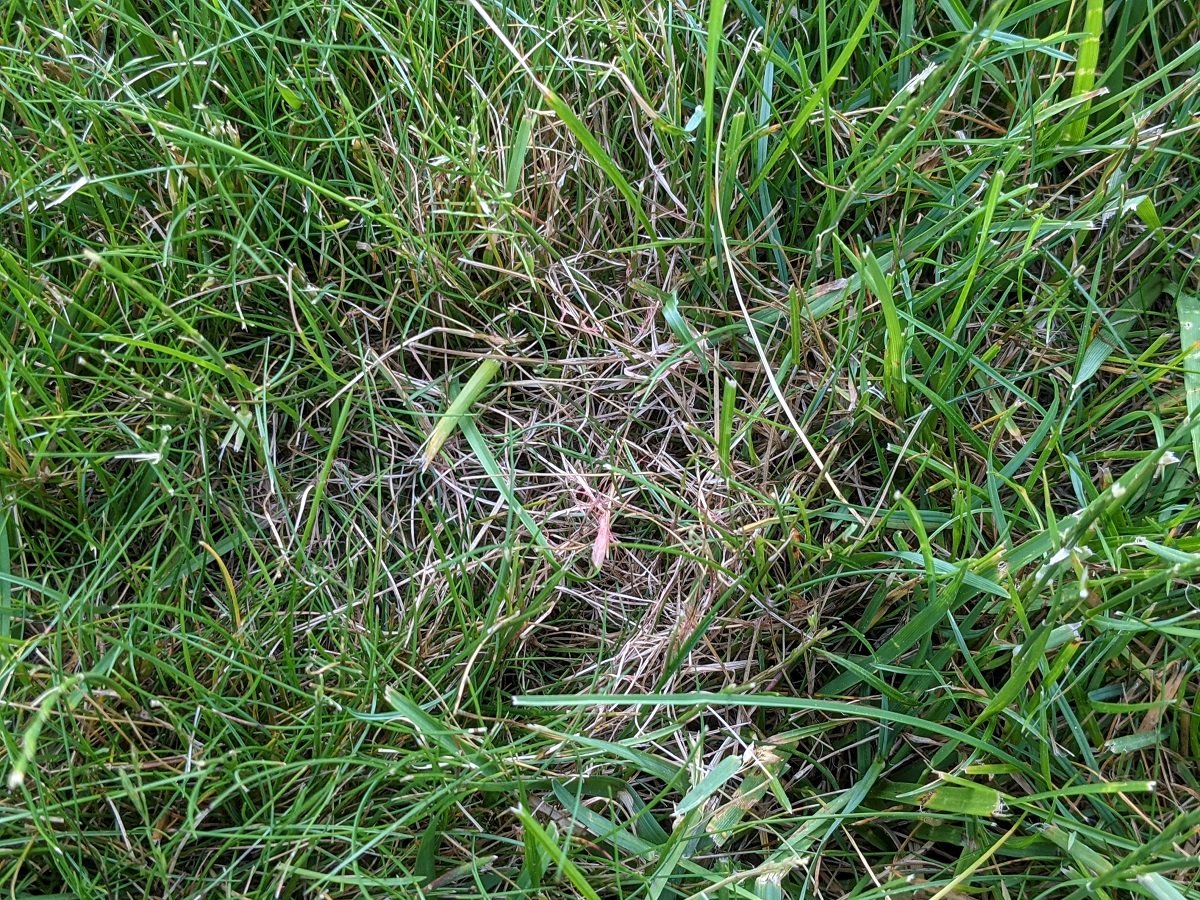
Illness tend to start off as small patches or areas of passing away lawns that spread out over time. If the damage is unexpected, prevalent, and serious, other insects or problems such as bugs, pathogens, weeds, or environmental stresssuch as excessive or insufficient moisture or fertilizermay be adding to the observed symptoms.
Essential Tips for Recognizing Early Fungal InfectionEmerging Lawn Diseases to Watch for in 2026
Irrigation issues are the most typical cause of discolored yards. Fixing broken sprinklers and carrying out "catch can tests" to make sure even water protection might be all that is essential to enhance the health and look of a yard.
Such diseases frequently are identified by recognizing symptoms of the disease and indications of the causal representative. Normal symptoms and signs include leaf spots; white, grainy development; thin, open yard; and little to large areas of discolored or dying lawn. Visible parts of the pathogen (called indications)such as whitish, cottony development or small, difficult, dormant structures (sclerotia)are extremely helpful in the identification process.

The most common diseases taking place in home lawns in California are listed below. Dollar spot, triggered by Sclerotinia homeocarpa, in a yard.
Ali Harivandi: Sclerotinia homeocarpa, Lanzia sp., Moellerodiscus sp.: bermudagrass, yearly bluegrass, fescue, ryegrass, Seaside paspalum, zoysiagrass: small, circular spots from 15 inches in diameter; areas might combine to form big, irregular areas; leaves appear watersoaked then brown, frequently showing a reddish band throughout the leaf; fine, white cobwebby threads seen in morning: moderate temperature levels (6080F); excess moisture or water tension; fog; thatch; makes it through in soil as tough, dark structures (sclerotia): fertilize properly; reduce thatch; water proper length of time to a depth of 46 inches but do not extend period too long; maintain air circulation; garden compost top dressings can reduce illness: if present in previous years, fungicide might be useful; use in early spring or fall before signs take place Fairy ring brown field mushrooms, Agaricus cupreobrunneus, fruiting in a circle in a field.
: all yard yards: a dark green band of turf develops in a circle (4 inches as much as 30 feet) or semicircle in damp turf; mushrooms may or might not exist; an area of brown, dying grass might take place simply behind the dark green band; a 2nd ring of passing away turf may appear inside the circle; weeds frequently get into: soils high in thatch or undecomposed raw material including lignin: use appropriate nitrogen; aerate soil for much better water penetration, water heavily in holes for a number of days; verticut if more than 1/2 inch of thatch accumulates; rake mushrooms to enhance look of turf; to remove, remove grass and root zone consisting of white, cottony mass to a depth of 12 inches and 2 feet beyond outer edge of the ring; refill with tidy soil and reseed or resod: fungicides available, however control has been unpredictable Circular areas brought on by Fusarium blight in yearly bluegrass.

Latest Posts
Should You Engage An Amsterdam Love Mentor For Your Love Life
Why You Might Need An Amsterdam Dating Consultant Today
Protecting Home Gardens Against Upcoming 2026 Diseases