All Categories
Featured
These are the bugs you want patrolling your plants:: aphid vacuum cleaners: consume aphids, mites, thrips: hunt slugs, caterpillars, grubs: lay eggs in pests (noises intense, works wonderfully): help manage spider termites: basic bug control (they're doing their part) A weird-looking bug might be an infant advantageous (lacewing larvae look like small alligators).
These insects normally appear when plants are stressed out (heat, dry spell, overcrowding) or when tender new development appears. cluster on stems/buds and suck sap; cause curled leaves and sticky residue strong spray of water, insecticidal soap, motivate ladybugs/hoverflies cause silvery streaks, distorted buds, poor flowers insecticidal soap, remove heavily harmed flowers, utilize sticky traps to monitor great webbing, stippled leaves, bronzing, especially in hot/dry weather rinse foliage, improve humidity/airflow, insecticidal soap (repeat) skeletonize leaves, chew petals (roses love/hate story) hand-pick into soapy water early morning; safeguard valuable plants with row cover when needed; concentrate on grub avoidance in lawn for long-term control holes in leaves, slime tracks, damage seedlings iron phosphate bait (pet-friendly alternative), beer traps, reduce hiding spots, water in mornings not evenings Vegetable bugs can move fast, catching them early is whatever.
This is the objective: decrease damage and secure pollinators. Before treating, search for: (aphid vs ladybug larva matters) (a couple of bugs is regular) (damage + decrease) These typically solve the problem without sprays: hand-pick pests (particularly beetles and caterpillars) prune out heavily plagued areas spray aphids off with water use row cover on young crops (brassicas, cucurbits) improve airflow (area plants, get rid of overcrowded growth) If you need a product, pick the most particular choice: Finest for: aphids, termites, soft-bodied insects spray completely (undersides too); repeat as required spraying in hot sun or when bees are active Best for: overwintering bugs (scale, termites) and some soft-bodied pests follow label timing carefully; avoid heat stress conditions Finest for: cabbage worms and other caterpillars targeted to caterpillars, less effect on numerous beneficials when utilized effectively Motivate natural predators by planting: alyssum, dill, fennel, yarrow, calendula, marigoldsAnd prevent broad "kill whatever" sprays.

The very best "natural bug control" is: constant watering (not soaked, not drought-stressed) healthy soil (compost assists) correct spacing and air flow routine scouting (fast check a few times a week) Generate an image (or a leaf in a sealed bag) and we'll assist you identify whether it's a helpful insect, a pest, or just a visitor, and recommend the most pollinator-friendly option for your garden.
As summertime rolls along, we frequently have durations of heat and little rain. Without adequate water, plants can suffer from drought tension and stressed plants are an invite to bugs. Spider mites, flea beetles, Japanese beetles, squash borers, aphids, numerous kinds of caterpillars, and other flying and crawling animals can chew leaves until they look like lacy Swiss cheese.
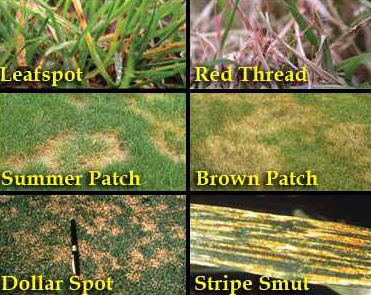
Detecting and Managing Emerging Lawn Threats
Girl beetles, likewise called ladybugs and ladybird beetles, lacewings, ground beetles, hoping mantis, predatory flies and small wasps, and many others are beneficialthey prey on harmful pests. Together With the Regenstein Fruit & Vegetable Garden you'll find an unique strip of plantsa pollinator strip. The plants draw in bees and other "beneficials" that assist manage insect bugs that can harm edibles.
Streamlining Pests And Diseases for Maximum Disease PreventionAlthough it may be tempting to remove bugs with an insecticidal soap spray or other products, you might be eliminating woman beetle larvae if you don't acknowledge the insects. You might find a couple of caterpillars munching on dill, fennel, or parsley. They will eventually end up being swallowtail butterflies. Head over to the Lenhardt Library or the Garden's Present Shop and take a look at some of the numerous insect identification books.
book is a fantastic tool for the garden enthusiast. Each early morning, two of the Garden's plant healthcare service technicians search for insect damage and illness and report back to Tom Tiddens, plant healthcare supervisor. Before you grab a pesticide, "Offer Nature a possibility to clean things up," he states. That is necessary because the population of bug predators tends to increase together with the "bad" bug populationpredation is an important (and totally free) control for your garden, too.
The tiny, wingless animals can be found on many annuals, perennials, shrubs, and trees where they suck the fluids from leaves. Mites are exceptionally small and hard to see without a hand lens or magnifying class. You'll understand they're present if you see pale, flecked leaves that are stippled (with many small dots or specks) or have a bronzy sheen.

Latest Posts
Should You Engage An Amsterdam Love Mentor For Your Love Life
Why You Might Need An Amsterdam Dating Consultant Today
Protecting Home Gardens Against Upcoming 2026 Diseases