All Categories
Featured
Table of Contents
UCANR Publication 8006. Harivandi A, VA Gibeault, MJ Henry, L Wu, PM Geisel, CL Unruh. UCANR Publication 8035.

Reynolds CA, ML. Flint. Nov. 2009. The UC Guide to Healthy Yards. UCANR Publication. Oakland, CA. Wong F, MA Harivandi. Sept. 2009. Diseases from UC IPM Pest Management Guidelines: Turfgrass. UCANR Publication 3365-T. Oakland, CA.: Yard Diseases: Prevention and Management J. Hartin, UC Cooperative Extension San Bernardino County P.M.
M.A. Harivandi (emeritus), UC Cooperative Extension Alameda County.
Advanced Pest and Fungus Control Solutions
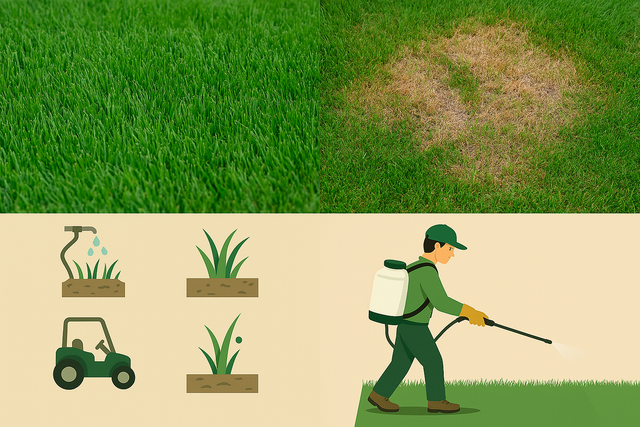
It affects a variety of warm-season yards, including high fescue and seasonal ryegrass, leading to large, circular spots of dead lawn that can be several feet in size.
Improve drain and boost air flow by aerating the soil. Applying fungicides preventatively in high-risk areas can assist control break outs. Executing proper insect management practices is necessary to avoid the spread of this turfgrass disease.
While undesirable and a problem, it is actually not damaging for your yard. Option: Maintain appropriate mowing and watering practices. Prevent excessive shade and overwatering, as these conditions prefer rust advancement. Routinely remove yard clippings and other natural matter accumulation to minimize the spread of spores. Sufficient fertilization motivates energetic growth, helping the yard recover.
If left uncontrolled, it can progress to melting out, causing spots of dead grass. Reduce nitrogen application and enhance soil drain to prevent fungal development.
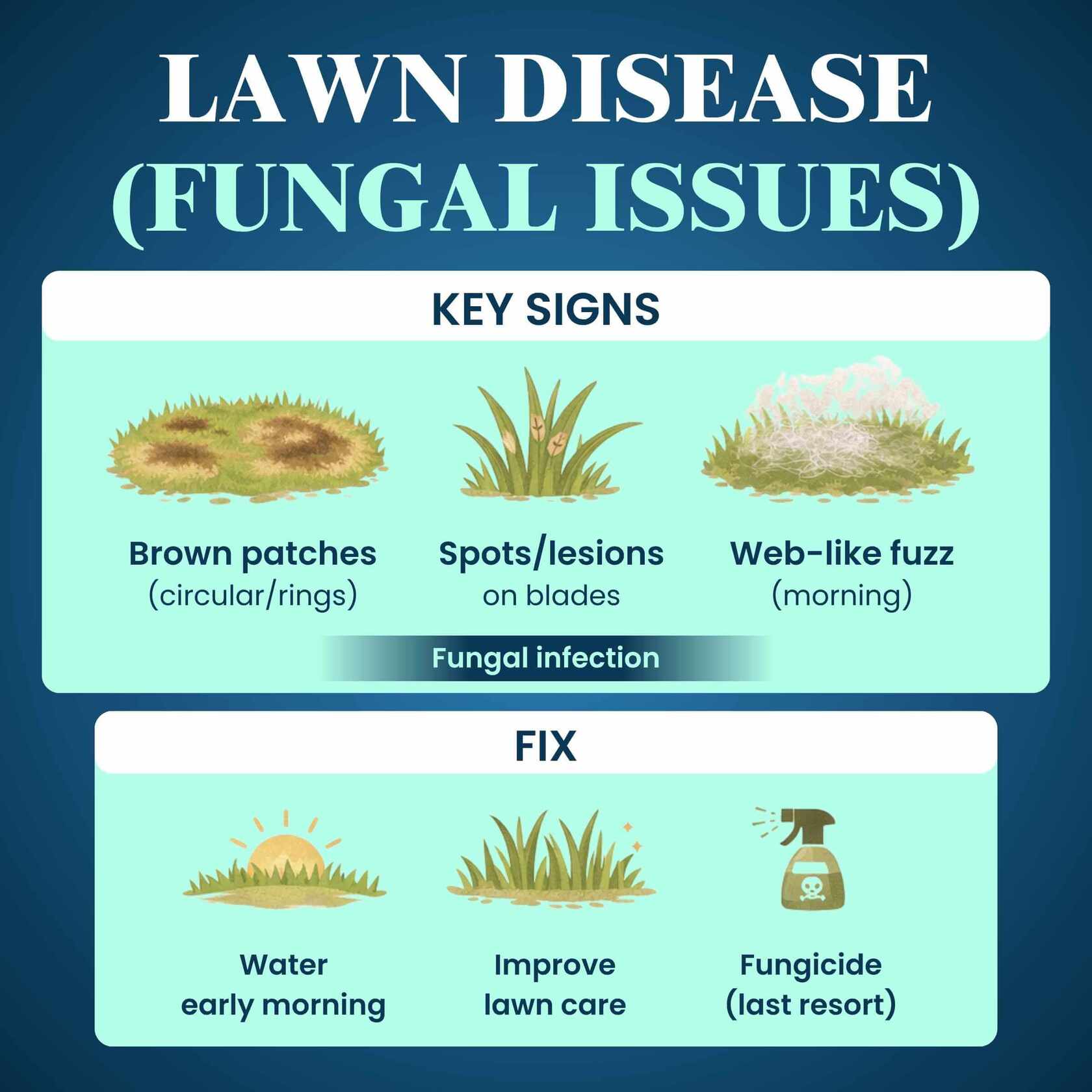
Vulnerable lawns: Kentucky bluegrass, fine fescues, perennial ryegrass, Bermudagrass, BentgrassSymptoms: White powdery finishing on lawn bladesDevelops in high humidityPowdery Mildew is a fungal disease that looks like a white or gray powdery development on grass blades, frequently seen in shaded areas with poor air flow. It is more widespread in cool-season grasses during durations of high humidity.
Identifying Frequent Garden Pests Effectively
Thinning out dense plantings and increasing sunshine exposure can lower mildew seriousness. Applying fungicides might be required in persistent cases. Ensuring that prone grasses receive sufficient sunshine can help prevent this illness.

Latest Posts
Should You Engage An Amsterdam Love Mentor For Your Love Life
Why You Might Need An Amsterdam Dating Consultant Today
Protecting Home Gardens Against Upcoming 2026 Diseases