All Categories
Featured
Table of Contents
The difficulty frequently comes in attempting to determine the culprit. Naturally, we all know the most typical arbitrator of garden mayhem and damage is wildlife. Normally this kind of bug leaves a trail a mile wide: one that is marked by extreme damage to foliage, overturned planters, and fluffy little bits of fur in the mangled remains of precious plants.
Great mesh netting tossed over fruit bushes assists prevent bird attacks. There may have been a reason for those four and twenty blackbirds to have been baked into a pie! The same is true for deer and bunnies. My recommendations is to consume bunnies, deer, and some of the birds that obstruct.
My dog's breath could be bottled as a highly potent chemical weapon, so I'm not stopping him from chomping on the spearmint plants. To be honest, isn't your feline the factor you planted the catnip in the very first place? Keep in mind that animals likewise operate rather well as a squirrel deterrent.
Top Strategies for Total Disease Control
Slugs are nondiscriminatory eaters that can defoliate a number of flowers in a shockingly short quantity of time. The ones in my yard are especially fond of pansies and violas. Their fat, slimy carcasses are usually discovered hiding under unused garden pots. These insects are however are easy to combat with crushed up egg shells that were conserved from breakfast.
They will do anything for cheap beer, even inadvertently drown themselves in order to get it. You should get a bunch of empty plastic cups and cut them off about 2 inches from the base.
Or, if you have a currently opened can that went flat before you might finish it, utilize that. Bury the beer filled cups in your garden.
Pet-Friendly Disease Control for Children and Pets
Some people have even apparently damaged up the slug armies in their lawn, fried, and eaten them. Nibbling garden slugs is most likely not a great idea unless you understand yours are the edible kind, however is still an intriguing method to get rid of them all the same. Should the completely defoliated plant in question be a tomato bush, keep an eye out for a caterpillar with an increased behind that goes by the apparent alias of 'tomato hornworm'.
(May I suggest tossing them in an irritating next-door neighbor's lawn?) Mine enter the trash bin. Although this is very disheartening in the beginning, the bright side is that tomato plants normally recuperate. Whiteflies are another minor garden annoyance. If a cloud of white bugs flutter around when you're examining a pathetic looking plant, they're probably the offender.
If the problem is unusual squiggly lines on the leaves of a lot of plants, then the culprit is leaf miners. Leaf miners are similarly aggravating however do not usually kill plants outright. Handpick and damage the affected leaves to prevent the larvae within them from hatching. A great application of moderate natural spray will work in this case as well.
A number of gardening publications have actually tried their finest to encourage me that ants will not damage my garden, I find this to be fatal inaccurate. It's no surprise that I have actually emptied containers after their plant occupants died only to find huge ant colonies prowling within. If the ants weren't bad enough by themselves, they also are such industrious beasts that they typically farm aphids! That makes everything 10 time even worse.
Diagnosing Lawn Diseases before They Destroy Your TurfWays to Spot Common Lawn Pests in 2026
In both circumstances, I suggest high powered natural bug spray, such as the kind with Neem or Pyrtherum. Although tansy is stated to prevent ants, I fail to see the proof in my own yard. For trees and tree-like plants in containers, conserving the plant from an ant infestation is a prolonged, agonizing procedure.
You ought to thoroughly dig up your plant, and then shake the roots complimentary of all dirt. Next, place the plant in a container complete of water in order to soak out all the bugs.
Ideally, these problems can be quickly determined and treated with the abovementioned pointers, so that they no longer afflict gardeners.
Covers pesticide safety and toxicity, securing bees, adjuvants, blending tables, calibration and biological control. Other areas cover a variety of agricultural and nonagricultural products. Each area describes bugs, the damage they do, and suggested management.
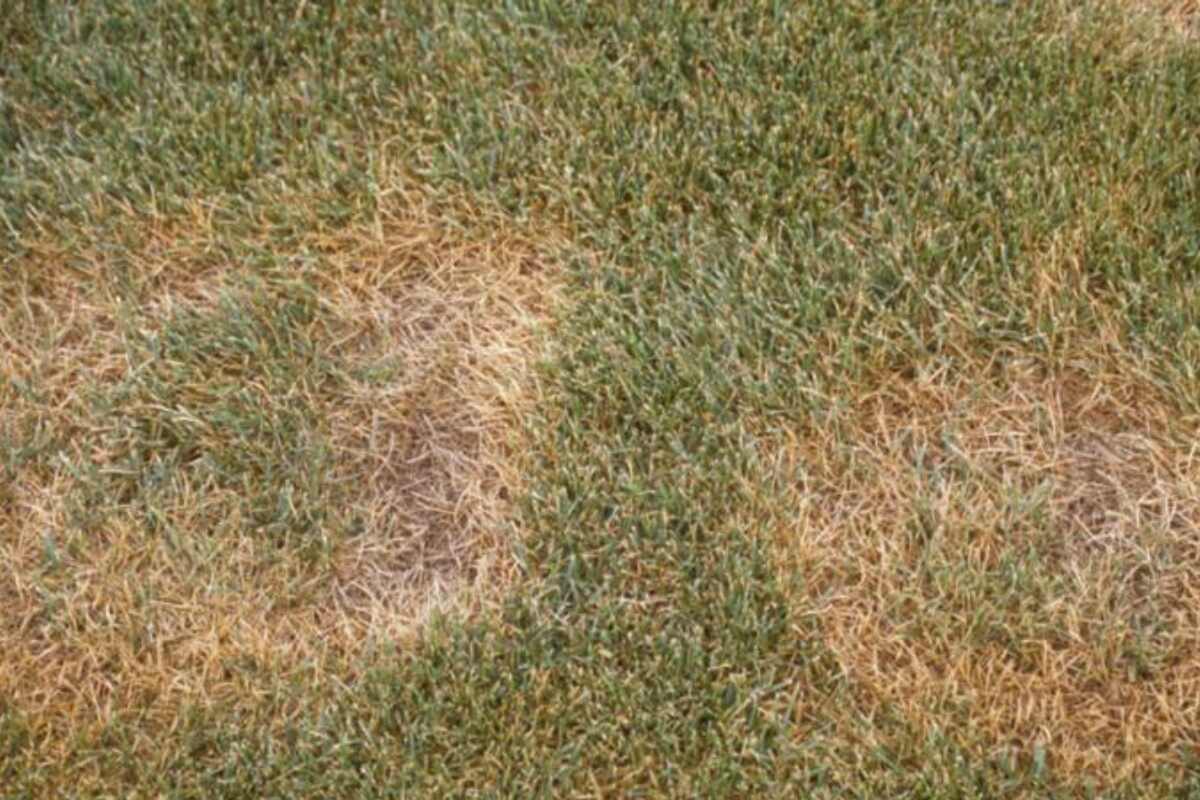
Identifying Larvae in Your Turf
When you're in the garden picking homegrown produce and find obvious bite marks on your plants, chances are you have insect pests. These 20 typical garden troublemakers target edible crops, ornamentals or both: A number of species of this sap-sucking, winged insect exist.
, causing stunted development, curling and yellowing leaves, and a honeydew buildup that leads to black, sooty mold. So include them in your treatment plan. Recognized for the protective bags they produce that hang down from various species of trees, bagworms can defoliate trees if an infestation is heavy.
These ravenous feeders consume vegetable plant leaves, developing big, irregular holes, typically along the midrib., these worms bore straight into the head. Their excrement consists of greenish-brown pellets.

Spotting Destructive Armyworms in Your Grass
The adult form, the imported cabbageworm butterfly, is simple to spot. It's white, with one to four black spots on its wings. Learn more about controlling cabbage worms. Loud insects that buzz, cicadas are often incorrectly called locusts. After they emerge from the ground and climb trees to molt, their external skins stay hanging from tree branches or drop to the ground.
Unique 1/2-inch-long yellow insects, Colorado potato beetles include black, brown and yellow stripes on their wing covers. Female beetles lay clusters of brilliant yellow-orange eggs on the undersides of the leaves.
Ravenous worms with a propensity to feed on the pointer location of corn, corn earworms likewise assault tomatoes, fruits and bean pods. Fully grown worms are 1 1/2 inches long with many thorny microspines.
Diagnosing Lawn Diseases before They Destroy Your TurfProtecting Home Lawns Against Emerging 2026 Threats
Learn more about managing corn earworms. Eye-catching adult cucumber beetles are yellow with black stripes or spots. The larvae are white and thin. As adults, these pests damage plants by eating leaves, soft fruits, shoots and blooms. As larvae, they eat roots, leaving plants prone to wind damage.

Latest Posts
Should You Engage An Amsterdam Love Mentor For Your Love Life
Why You Might Need An Amsterdam Dating Consultant Today
Protecting Home Gardens Against Upcoming 2026 Diseases