All Categories
Featured
Table of Contents
Credit: Adjusted from Schwankl, L. J., D. A. Shaw, M. A. Harivandi, and R. L. Snyder. The finest time to water is early in the early morning, when evaporation rates are most affordable and water pressure is at its peak. Watering in the afternoon is inefficient due to the fact that of higher evaporation rates; likewise, prolonged damp conditions in the evening can encourage illness advancement.
Reset your lawn sprinkler to meet your lawn's changing irrigation requirements. Applying the proper amount of fertilizer is a crucial aspect of maintaining a healthy, thick yard with great disease resistance. Fertilization influences turfgrass growth, which in turn affects the recuperative capability of stressed out turf. All turfgrasses need nitrogen, and certain websites might likewise require other nutrients, including iron, regularly.
Over-fertilized lawns likewise require more frequent mowing and watering. Conversely, yards grown under nitrogen-deficient conditions are prone to dollar spot, rust, and red thread diseases. For moderate, even growth, use an overall of 4 to 6 pounds of actual nitrogen per 1,000 square feet of lawn area annually. Avoid using more than 1 pound of actual nitrogen per application.
Fertilizer needs to be used throughout the active growing season of the lawn, which typically is during spring and summer for warm-season lawns and throughout fall and spring for cool-season lawns. Keeping a lawn at the suggested mowing height will enhance its capability to withstand illness and offer it higher visual appeal.
Modern Disease and Weed Control Strategies
Yards should be trimmed typically enough so that no more than one-third the length of the yard blade is gotten rid of at any time. Eliminating too much of the grass blade can increase the susceptibility to several diseases by diminishing food reserves in the plant, making it difficult for the plant to recover from stress and injury.
Keep sharp mower blades to prevent mechanical damage to grass. When yard is cut frequently, clippings can be left on the yard, a practice called "grasscycling." Grasscycling hasn't been found to considerably increase thatch or illness incidence. For extra details, see Mowing Your Yard and "Grasscycling" noted in Recommendations. Soil compaction reduces root development in addition to recuperative capability, thus increasing a lawn's relative vulnerability to illness.
Cultivation needs to be done during times when the turf is growing intensely and can take advantage of the decrease in soil compaction (spring and fall for cool-season turf and early summer season for warm-season lawn). Thatch is a partly decomposed layer comprised of roots, stems, rhizomes, crowns, and stolons above the soil surface area.
Visual Identification of Brown Patch in Mosquito ControlComprehensive Disease and Weed Control Solutions
However, thatch layers higher than 1/2 inch ought to be gotten rid of to avoid limiting water entry into the root zone. A number of turfgrass pathogens can endure in the thatch layer, including those that trigger summer season patch, leaf area, and melting-out illness. Heavy thatch might also lead to fairy ring issues. Bermudagrass, Kentucky bluegrass, and kikuyugrass produce more thatch than the majority of other turfgrasses and need routine dethatching.

The UC Guide to Healthy Lawns provides extra info on how to choose turfgrass species along with how to water, fertilize, and manage your yard to avoid illness. When a disease break out in a home yard is thought, the best course of action might be to seek the expert services of a plant illness diagnostic lab.
Contact a nursery or your local UC Cooperative Extension office for a list of diagnostic labs. An accurate medical diagnosis depends on the quality of the sample submitted, so the way a sample is taken is essential. Collect entire turf plant samplesleaves, stems, roots, and soilfrom numerous yard locations that appear to display various stages of the observed symptoms.
Keep in mind that the pathogen isn't constantly active in the part of the turf plant showing disease symptoms, so make certain to consist of the whole plant. For instance, signs observed in the foliage such as chlorosis (yellowing) or wilting might be connected with a vascular wilt or a root rot. Also, take samples from plants just starting to show symptoms; typically dead turf will be overrun with secondary fungis and germs that might be disintegrating the dead grass, making accurate medical diagnosis difficult.
Placing a damp paper towel in the bag will help keep the samples as fresh as possible during transportation. Don't enable roots to dry out. Connect a written description of the kind of yard and signs you observed. Also consist of information on cultural management practices, any chemical applications that have been made, and any other pertinent details that might be useful in making an accurate diagnosis as well as the date the sample was gathered and your name and contact details.
Protecting Pets Safe With Lawn Treatments
1999. Trimming Your Yard and "Grasscycling. UCANR Publication 8006. Oakland, CA. Harivandi A, VA Gibeault, MJ Henry, L Wu, PM Geisel, CL Unruh. 2001. Turfgrass Selection for the Home Landscape. UCANR Publication 8035. Oakland, CA. Hartin JS, PA Geisel, CL Unruh. 2001. Lawn Watering Guide for California. UCANR Publication 8044.
Reynolds CA, ML. Flint. Nov. 2009. The UC Guide to Healthy Lawns. UCANR Publication. Oakland, CA. Wong F, MA Harivandi. Sept. 2009. Illness from UC IPM Insect Management Guidelines: Turfgrass. UCANR Publication 3365-T. Oakland, CA.: Yard Illness: Avoidance and Management J. Hartin, UC Cooperative Extension San Bernardino County P.M.
M.A. Harivandi (emeritus), UC Cooperative Extension Alameda County.
Vulnerable grasses: High fescue, seasonal ryegrass, Kentucky bluegrass, bentgrass, St. AugustinegrassSymptoms: Circular spots of dark green yard that turn brownMost typical in damp summer season conditionsBrown Patch is a common yard illness triggered by Rhizoctonia solani fungi, which flourishes in hot, damp weather. It impacts a variety of warm-season lawns, consisting of tall fescue and perennial ryegrass, resulting in large, circular spots of dead turf that can be numerous feet in diameter.
How to Spot and Treat Lawn Diseases
Improve drain and boost air flow by aerating the soil. Using fungicides preventatively in high-risk areas can assist control outbreaks. Implementing correct bug management practices is vital to prevent the spread of this turfgrass illness.
While unattractive and a problem, it is actually not harmful for your yard. Service: Maintain appropriate mowing and watering practices. Avoid excessive shade and overwatering, as these conditions prefer rust development. Frequently get rid of grass clippings and other raw material accumulation to lower the spread of spores. Sufficient fertilization motivates energetic growth, helping the lawn recover.
If left unattended, it can progress to melting out, causing spots of dead grass. Minimize nitrogen application and enhance soil drainage to prevent fungal development.
How to Spot and Cure Garden Pests
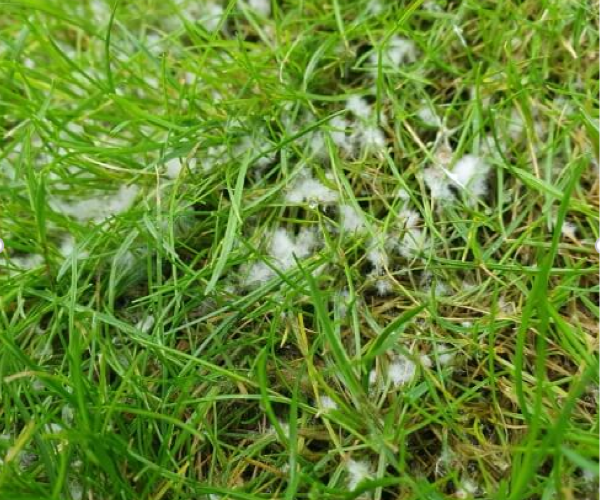
Susceptible yards: Kentucky bluegrass, fine fescues, seasonal ryegrass, Bermudagrass, BentgrassSymptoms: White powdery covering on turf bladesDevelops in high humidityPowdery Mildew is a fungal disease that looks like a white or gray grainy development on lawn blades, typically seen in shaded locations with poor air circulation. It is more prevalent in cool-season turfs during durations of high humidity.
Thinning out dense plantings and increasing sunshine exposure can lower mildew intensity. Using fungicides might be required in persistent cases. Making sure that prone grasses get appropriate sunshine can help prevent this disease.

Latest Posts
Should You Engage An Amsterdam Love Mentor For Your Love Life
Why You Might Need An Amsterdam Dating Consultant Today
Protecting Home Gardens Against Upcoming 2026 Diseases